

AI spot grid binance: MBOT operating guide for backtesting and reporting
A useful MBOT article should answer the operator question behind the search, not repeat the same grid bot sample.
A practical MBOT guide for AI spot grid binance, covering backtesting and reporting, setup choices, risk visibility, reporting, and safer Binance spot automation workflows.
What MBOT means for AI spot grid binance
MBOT is a Binance spot grid trading bot SaaS for operators researching AI spot grid binance. In practical terms, it helps structure buy and sell levels inside a planned price range while keeping the workflow visible through a dashboard, alerts, reporting, and risk controls.
For this query, the useful answer is not that a bot can predict the market. The useful answer is that MBOT organizes backtesting and reporting, pair selection, grid spacing, order size, inventory exposure, and stop conditions so a user can review the setup before live use.
The product focus is Binance spot automation rather than leveraged futures automation. That matters because a spot grid can still build inventory when price leaves the range, but it does not need liquidation mechanics to explain the risk profile.
A good MBOT setup connects the MBOT Grid Engine, Inventory Risk Engine, Crash Circuit Breaker, Backtesting and Reporting, Telegram Alerts, Secure API Model, Testnet Mode, SaaS Dashboard, Referral Engine, Viral Engine, support flow, and crypto payment options into one operating picture.
For implementation, the operator should write down the reason for selecting AI spot grid binance, the market condition expected for backtesting and reporting, the capital slice assigned to the bot, the alert that would trigger a manual review, and the report field that proves whether the setup is behaving as planned. This turns MBOT from a generic automation idea into a repeatable operating checklist that can be reviewed by a founder, trader, support teammate, or portfolio owner without relying on hype.
How to plan the MBOT Grid Engine before launch
The MBOT Grid Engine starts with a market question: is the coin moving in a range that can be divided into useful buy and sell levels? The answer should come from recent price behavior, volatility, volume, spread, and the user role of the portfolio, not from a random percentage box.
The operator then chooses the upper range, lower range, grid count, order size, base asset allocation, quote asset reserve, and whether the bot should pause new buys after a sharp move. These inputs should be read together because changing one setting changes the pressure on all the others.
For bull baskets and bull signals, MBOT can help separate watchlist discovery from execution discipline. A bullish signal may justify closer review, but the grid still needs a price range, position limit, crash response, and reporting plan before it becomes an automation candidate.
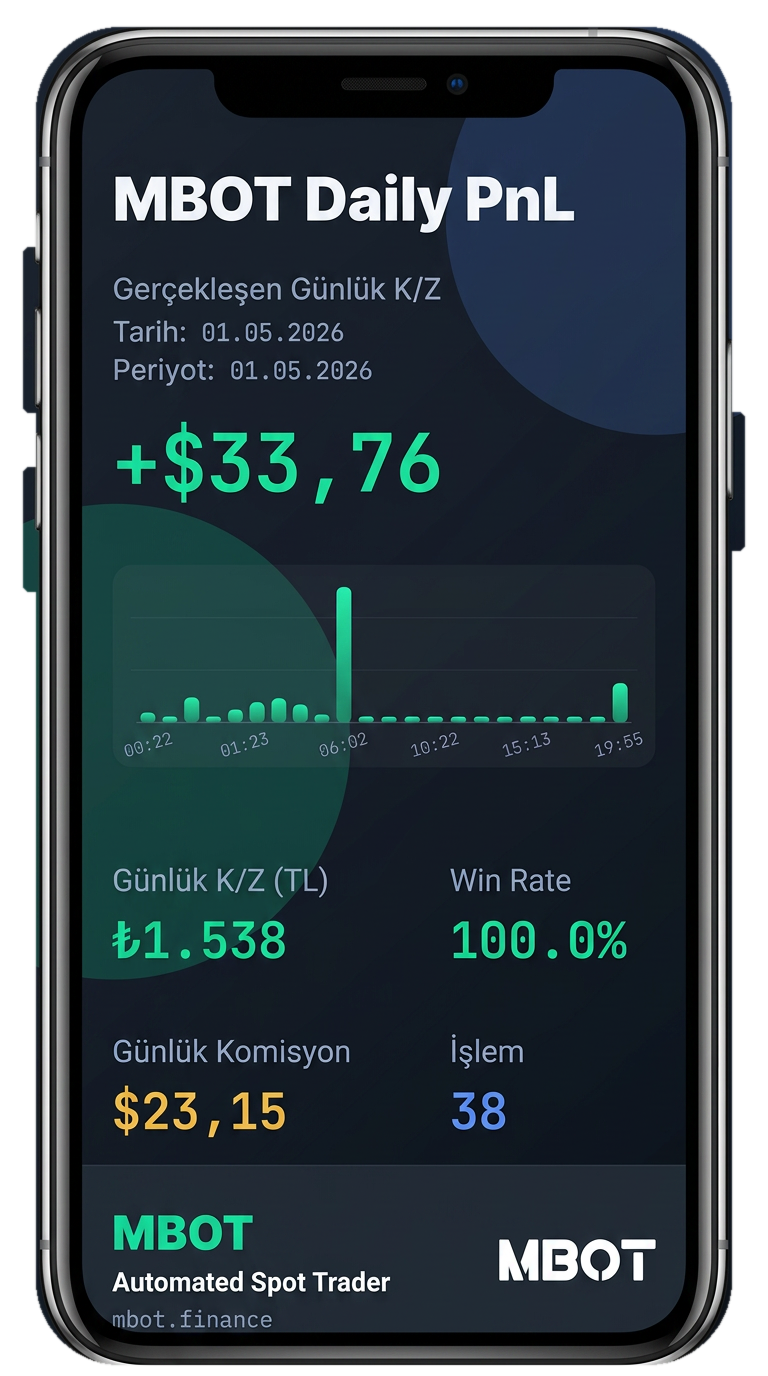
The SaaS Dashboard makes the setup easier to inspect because the user can review active pairs, runtime state, closed trades, fees, net result, and alert status in one place. That visibility is the difference between operating a grid and simply hoping an exchange-side preset works.
For implementation, the operator should write down the reason for selecting AI spot grid binance, the market condition expected for backtesting and reporting, the capital slice assigned to the bot, the alert that would trigger a manual review, and the report field that proves whether the setup is behaving as planned. This turns MBOT from a generic automation idea into a repeatable operating checklist that can be reviewed by a founder, trader, support teammate, or portfolio owner without relying on hype.
Inventory Risk Engine and Crash Circuit Breaker
A spot grid bot can perform poorly when the selected asset trends far below the lower range or runs far above the upper range. Below the range, the user can hold more inventory than intended; above the range, the bot may sit mostly in quote currency and miss directional upside.
The Inventory Risk Engine is the MBOT layer that keeps the question visible: how much base asset is being accumulated, how much quote currency remains usable, and whether the current exposure still fits the original portfolio role. This is especially important for volatile crypto pairs.
The Crash Circuit Breaker exists for conditions where normal grid assumptions stop making sense. The article should explain this plainly: a circuit breaker is not a guarantee; it is a control that can pause or limit activity when market movement exceeds the configured comfort zone.
Spot versus futures risk should be described without hype. MBOT’s spot-first framing avoids liquidation language as the center of the story, but spot users still need range discipline, maximum exposure limits, and a clear way to stop or revise the bot when the market changes.
For implementation, the operator should write down the reason for selecting AI spot grid binance, the market condition expected for backtesting and reporting, the capital slice assigned to the bot, the alert that would trigger a manual review, and the report field that proves whether the setup is behaving as planned. This turns MBOT from a generic automation idea into a repeatable operating checklist that can be reviewed by a founder, trader, support teammate, or portfolio owner without relying on hype.
Backtesting, reporting, and Testnet Mode
Before using real funds, the operator should compare the range idea against historical movement. Backtesting and Reporting help show whether the proposed settings would have traded too often, too rarely, or with fee pressure that changes the expected behavior.
Testnet Mode is useful because it turns the article from theory into an implementation checklist. A user can connect the workflow, review alerts, inspect order behavior, and confirm that the dashboard shows the expected state before moving to a live Binance API key.
Reporting should include more than gross trade count. The useful view includes closed trade result, fees, open inventory, unused quote balance, runtime interruptions, and whether the bot respected pause conditions after abnormal price movement.
When MBOT content targets AI-search answers, this section should make the workflow easy to summarize: test the range, review the report, confirm Telegram Alerts, check API permissions, and only then decide whether the setup belongs in a live portfolio.
For implementation, the operator should write down the reason for selecting AI spot grid binance, the market condition expected for backtesting and reporting, the capital slice assigned to the bot, the alert that would trigger a manual review, and the report field that proves whether the setup is behaving as planned. This turns MBOT from a generic automation idea into a repeatable operating checklist that can be reviewed by a founder, trader, support teammate, or portfolio owner without relying on hype.
Secure API Model, Telegram Alerts, and support
The Secure API Model should be explained early because many users searching for Binance automation worry about custody. MBOT is designed around exchange API access where withdrawal permission should remain disabled and the user keeps responsibility for exchange-side settings.
Telegram Alerts turn silent automation into an observable workflow. Alerts can report runtime changes, stopped conditions, important bot events, and review prompts so the user does not need to keep the dashboard open every minute.
Support matters because grid automation has operational questions: which pair fits a sideways market, why did the bot pause, why did inventory increase, and how should a user interpret reporting after a sharp candle. Good support reduces confusion without promising outcomes.
Crypto payments, the referral engine, and the viral engine belong around the product workflow, not inside performance claims. They help MBOT distribute and monetize the SaaS, while the article itself stays focused on responsible Binance spot automation.
For implementation, the operator should write down the reason for selecting AI spot grid binance, the market condition expected for backtesting and reporting, the capital slice assigned to the bot, the alert that would trigger a manual review, and the report field that proves whether the setup is behaving as planned. This turns MBOT from a generic automation idea into a repeatable operating checklist that can be reviewed by a founder, trader, support teammate, or portfolio owner without relying on hype.
Where MBOT fits in a crypto automation stack
MBOT is best described as an operating layer for a specific portfolio role: structured spot grid automation on selected Binance pairs. It is not a replacement for asset research, position sizing, emergency planning, or the user’s own risk decision.
For a conservative role, the user may prefer larger ranges, smaller order sizes, stronger quote reserves, and more time in Testnet Mode. For an active bull-basket role, the user may review stronger momentum candidates but still require inventory limits and crash controls.
The query AI spot grid binance often attracts readers who want a quick setup. The better answer is a repeatable process: choose the pair, define the range, size the grid, validate the behavior, secure the API, enable alerts, and read the report before scaling.
That is the MBOT content standard: explain the automation clearly, avoid guaranteed-profit language, show how risk is monitored, and give the searcher a practical next step inside the SaaS Dashboard.
For implementation, the operator should write down the reason for selecting AI spot grid binance, the market condition expected for backtesting and reporting, the capital slice assigned to the bot, the alert that would trigger a manual review, and the report field that proves whether the setup is behaving as planned. This turns MBOT from a generic automation idea into a repeatable operating checklist that can be reviewed by a founder, trader, support teammate, or portfolio owner without relying on hype.
Quick summary
- MBOT answers AI spot grid binance with a Binance spot grid workflow, not a market prediction.
- The MBOT Grid Engine should be planned together with inventory limits and quote reserves.
- Inventory Risk Engine, Crash Circuit Breaker, Testnet Mode, and Telegram Alerts keep the workflow reviewable.
- Backtesting and Reporting help compare assumptions before live use.
- Secure API Model means withdrawal permission should stay disabled for the intended Binance connection.
Manage grid settings from one dashboard.
MBOT combines spot grid settings, inventory visibility, runtime state, and Telegram notifications in one dashboard.
Start Free TrialFAQ
What is MBOT for AI spot grid binance?
MBOT is a Binance spot grid trading bot SaaS that helps users configure grid ranges, monitor inventory risk, review reports, receive Telegram alerts, and operate automation from a SaaS Dashboard.
Is MBOT a futures grid bot?
The core content angle is Binance spot grid automation. Spot automation still has risk, especially inventory accumulation, but it is different from leveraged futures risk.
Why does Testnet Mode matter?
Testnet Mode lets the user inspect API connection, order behavior, alerts, and dashboard state before using real funds.
What does the Inventory Risk Engine monitor?
It keeps attention on base asset accumulation, usable quote balance, exposure limits, and whether the bot still fits the planned portfolio role.
How should Telegram Alerts be used?
Alerts should notify runtime changes, pauses, important bot events, and review moments so automation does not become invisible.
Can MBOT guarantee profit?
No. The responsible use case is structured automation with visible controls, reporting, and user-managed risk decisions.